Vou começar logo pelo elefante na sala para tirá-lo do caminho o quanto antes. Assim que saíram as primeiras reações a Hope, de Na Hong-Jin, após sua estreia em Cannes 2026, uma coisa se destacava em todos os textos: a qualidade dos CGIs do filme, dos personagens feitos em animação digital. Se falava muito sobre a pobreza da animação, se equiparava até a criações digitais de jogos de Playstation 2, console lançado nos anos 2000.
Confesso que, ao ver essas reações, fiquei um pouco indignado. Pouco me importo com qualidade de CGIs em filmes ou de gráficos em jogos. Estou mais preocupado com o caminho sentimental pelo qual a narrativa e a encenação vão me levar. Mas, lógico, há casos e casos. Existem sim obras que conseguem me tirar desse caminho pela pobreza de sua arte digital, mas são raras. Hope quase conseguiu esse feito.
Há altos e baixos entre os momentos dos monstros do filme, tecnicamente falando, e o problema é que a distância entre o topo e o fundo do poço é enorme e não há um meio do caminho. Porém, ao decorrer do filme é possível perceber que o problema pode não ser tão técnico assim, mas sim uma escolha equivocada de planos e momentos por parte do diretor. Ao chegar no final de Hope, a sensação é de que os monstros estão o tempo todo na mesma qualidade de CGI do início ao fim, o que muda é como eles são mostrados em tela. Voltarei nisso daqui a pouco.
Até chegar em Hope, Na Hong-Jin havia feito três outros longas metragens. The Chaser (2008) é um thriller enérgico e muito bem escrito, dos filmes de serial killer mais consistentes daquele período; The Yellow Sea (2010) é mais um suspense, dessa vez inconstante e com um terceiro ato bem falho, mas com uma cena específica no meio que me faz pensar sempre no filme até hoje; e, por fim, The Wailing (2016), onde o diretor pula para o horror e entrega uma obra assustadora até os ossos, sua melhor obra. Com esse currículo, me tornei fã de Na Hong-Jin e estava a bastante tempo esperando por Hope.
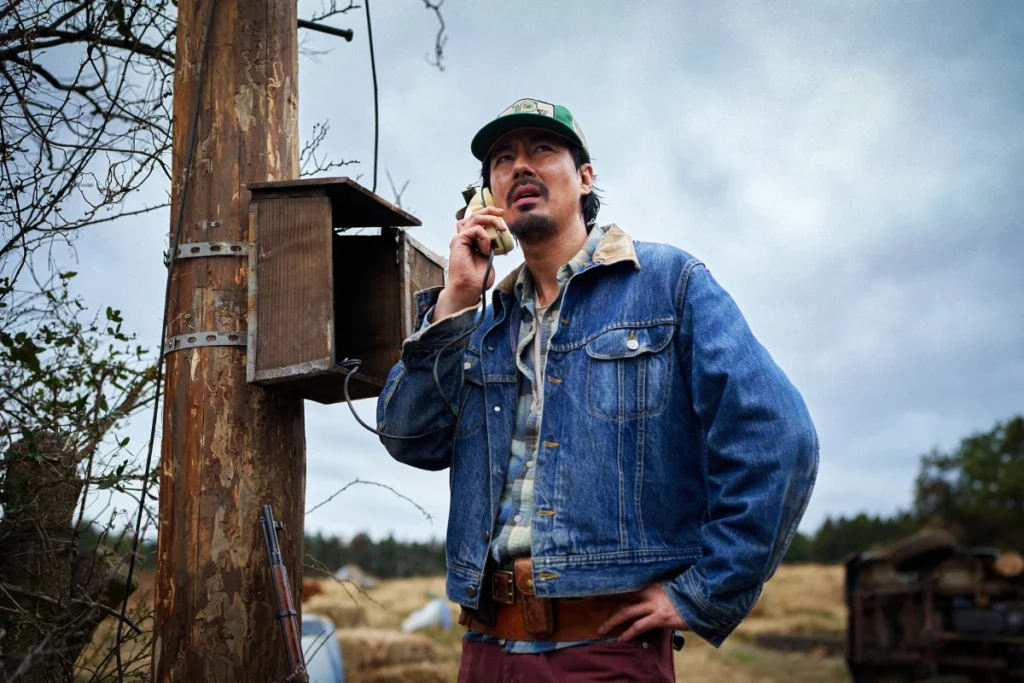
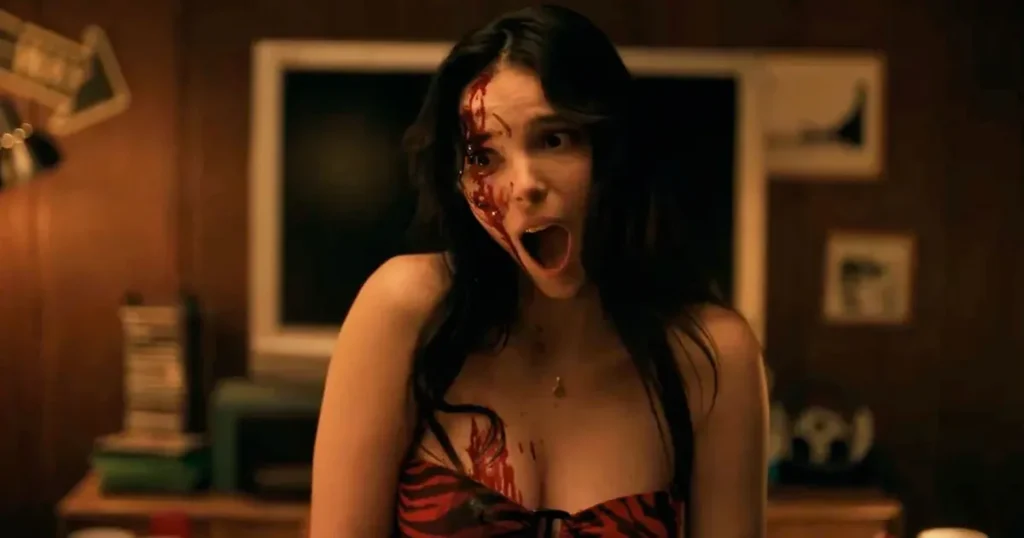
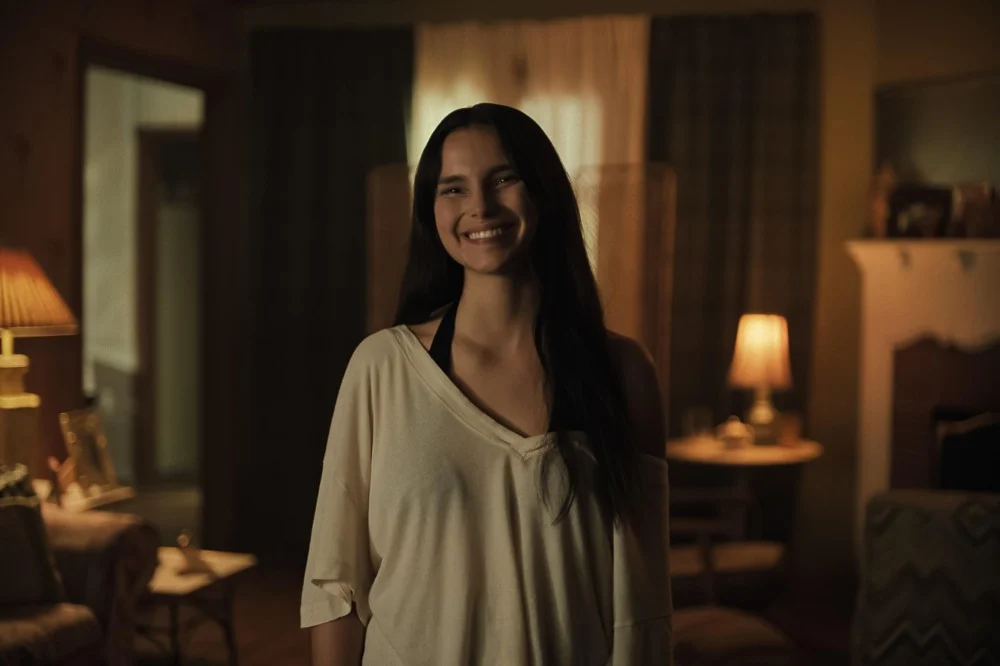
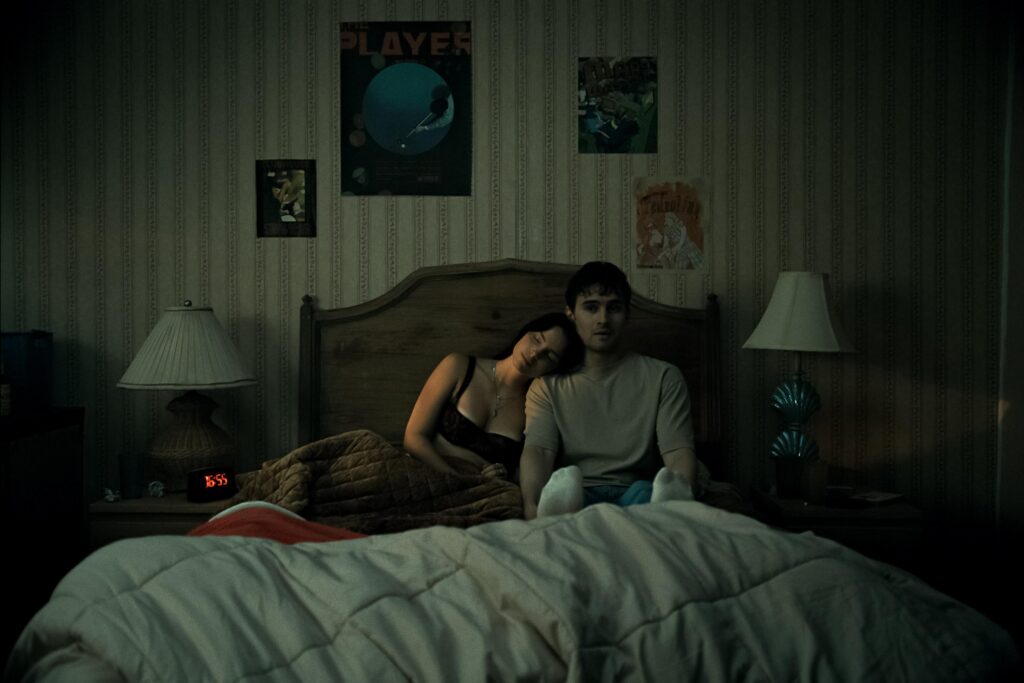
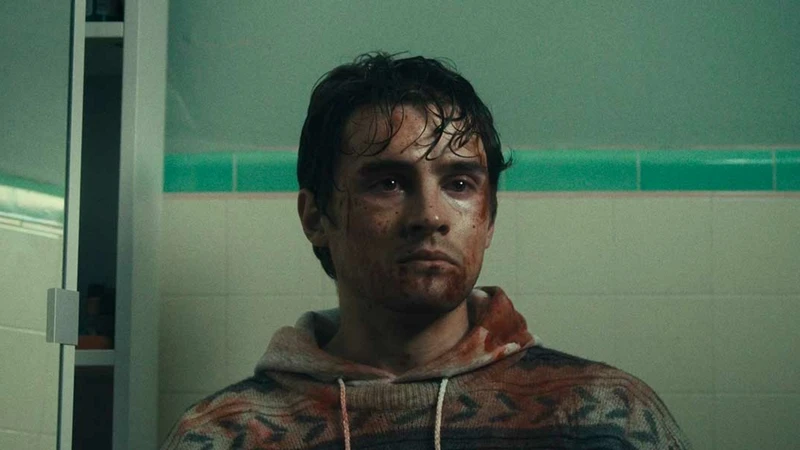
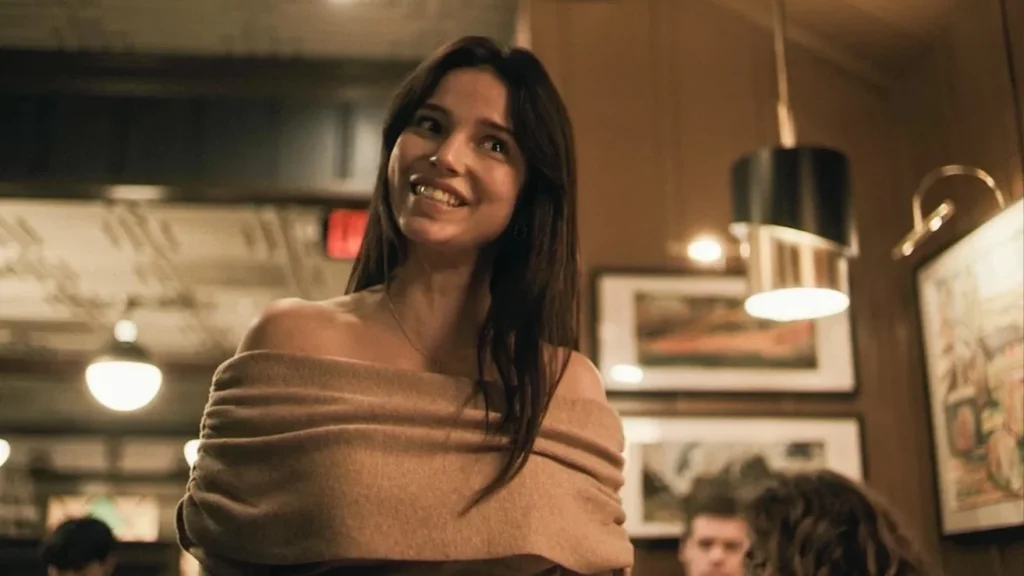
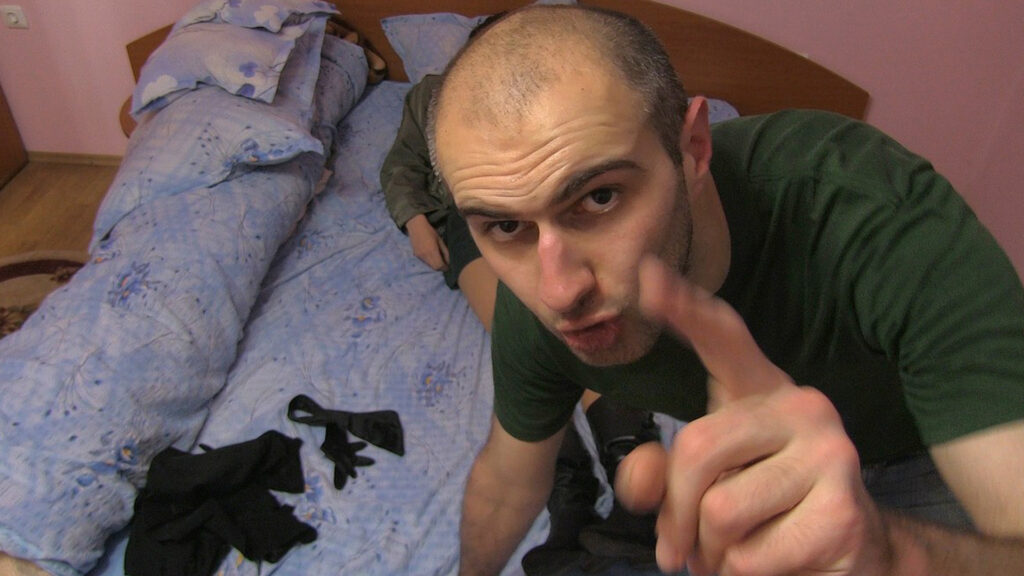
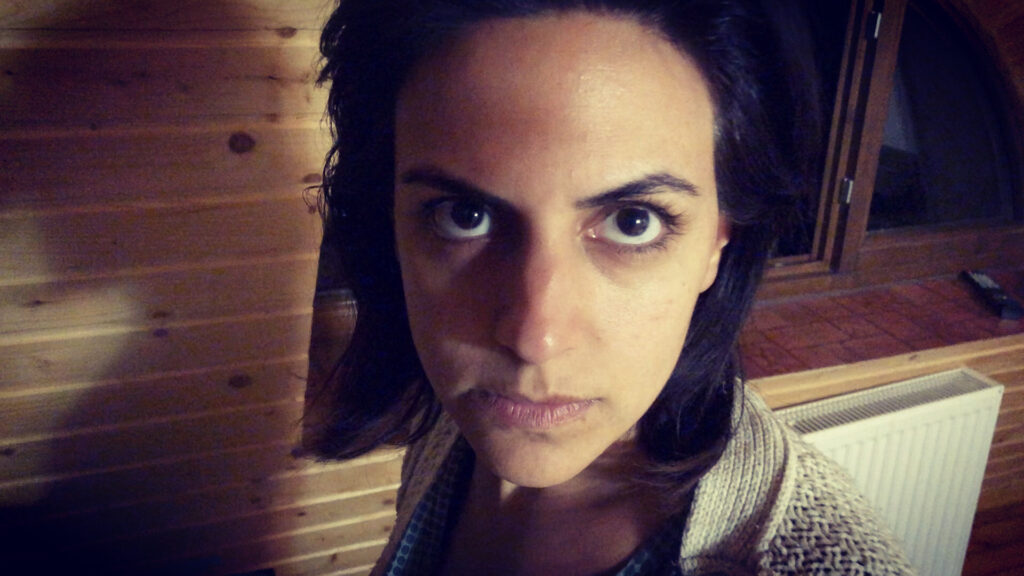
Ao encontrar uma vaca brutalmente morta numa estrada, o policial Beom Seok orienta o caçador Sung Ki a seguir os rastros da coisa que matou o animal até uma floresta, enquanto ele próprio volta até a cidade de Hope Harbor para alertar a população de um possível predador que pode atacar desavisados. Mas, ao chegar em Hope, Beom Seok encontra o local completamente destruído por um monstro que ele logo encontrará.
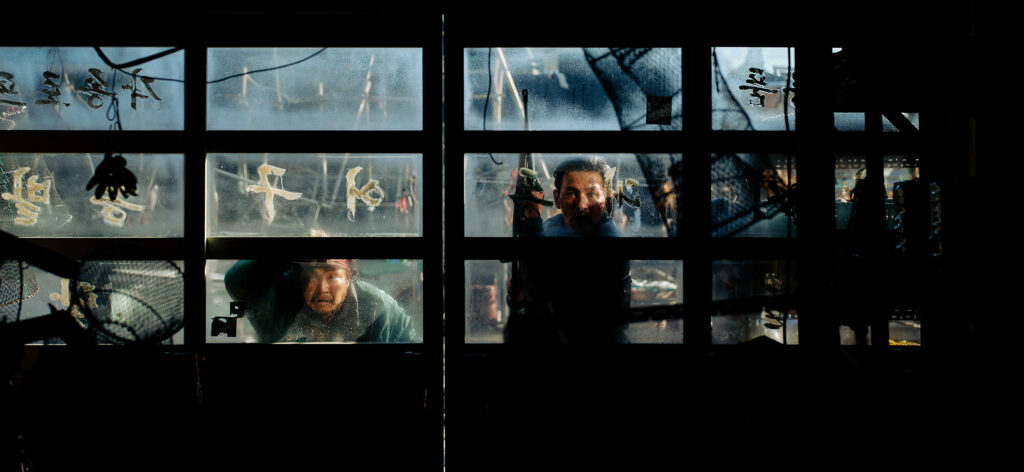
Essa primeira hora de Hope, dividida entre a incursão na floresta e, principalmente, a descoberta da cidade arrasada, representa o melhor que o diretor sabe entregar desde seu primeiro filme. Criação de tensão a partir do mistério e das coisas escondidas, das esquinas viradas, do inexplicável e da sensação de perigo a cada passo que os personagens dão. Na Hong-Jin definitivamente não está preocupado com nenhuma construção de personagem ou desenvolvimento de arco, sua intenção é te chamar para uma jornada acelerada — Senta aqui, não faça muitas perguntas e confie no que vou te mostrar. Enquanto ele brinca com o desconhecido, o filme é brilhante. Esconder o monstro e sugeri-lo a partir da destruição, dos sons e do desespero da população de Hope é o que há de melhor nas duas horas e quarenta do filme.
Aliás, até pouco depois que o monstro é revelado, ainda há muita qualidade até que o filme transite para o segundo ato. A entrada da personagem Sung Ae, outra policial e parceira de Beom Seok, dá um gás na reta final do primeiro ato e coroa toda a sequência de perseguição seguinte.
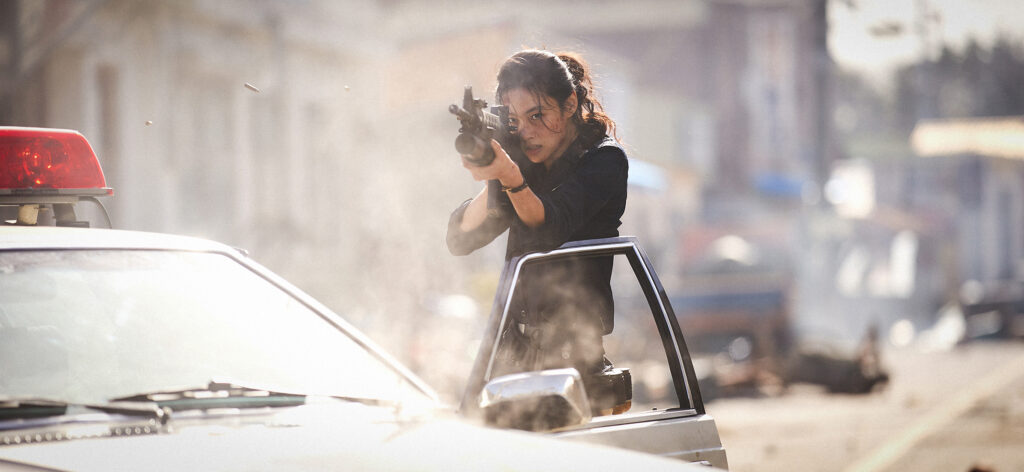
Os problemas narrativos de Hope começam de fato quando ele pára para mostrar o que a partir daí acontece até o seu final. Se já não havia intenção de construir algum arco emocional, apostando apenas na ação e na tensão, os diálogos expositivos e piadas escatológicas poderiam ter sido repensados. Piadas essas que, confesso, ainda me arrancaram risadas, mas sei que contribuem bem pouco para a unidade fílmica.
E se o monstro é revelado, é hora de voltar a falar do CGI. Nos primeiros momentos, pensei que as reações de Cannes tinham sido exageradas, que daria facilmente para abstrair e seguir com o filme. Mas esse sentimento se dá justamente nos primeiros momentos em que Na ainda segue escondendo o monstro ou usando outras estratégias para mostrá-lo pouco. O ideal seria seguir assim durante todo o filme, pois daí seguiríamos atrelados apenas à tensão da narrativa. Só que Na decide, em muitos momentos, mostrar a criatura por completo, em closes, em câmeras lentas. Esses enquadramentos servem apenas para destacar tanto uma má qualidade das texturas quanto também uma falta de noção de peso e velocidade enquanto o monstro corre por estradas e florestas.
Quando Hope entra em seu ato final e volta ao ritmo frenético do começo, as coisas melhoram novamente, mas os enquadramentos que apenas evidenciam esses defeitos continuam. Há também uma sensação de cansaço na ação final, de que você está vendo a mesma perseguição novamente, os tiros que não acabam, a criatura que não alcança nunca os personagens. Se tivéssemos vendo essa cena pela primeira vez, ela certamente teria um efeito melhor, pois realmente é tensa, bem construída e bem feita. Mas esse não é o caso.
Hope é um intenso filme de ação, preocupado somente em conduzir o espectador em uma maratona de tensão, que sabe contar seu mistério por meio da furtividade e deixa as coisas desandarem quando resolve se expor para os olhos do público e de seus próprios personagens. Continuarei aguardando o próximo filme de Na Hong-Jin assim como esperei por Hope. O diretor já expressou a vontade de fazer uma continuação, e o próprio filme é construído para isso. Se for isso mesmo, estarei sentado para assistir assim que puder.